 Donate
 My Basket
Supporting Vulnerable People During a Heatwave
Supporting People with Learning Disabilities, Dementia and Mental Health During Hot Weather
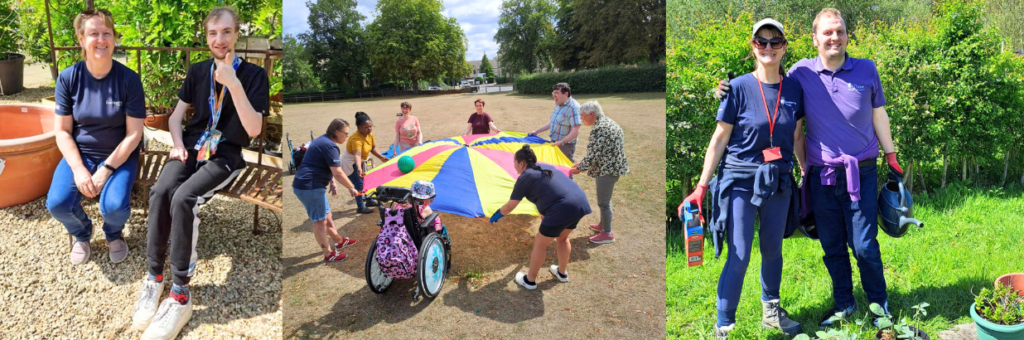
Heatwaves are becoming more common across the UK, and while hot weather can be enjoyable, it can also pose serious health risks for vulnerable people.
People with learning disabilities, dementia or struggling with their mental health may need extra support during periods of high temperatures. Changes to routine, difficulty recognising thirst, struggling to communicate that they are feeling unwell and spending long periods in the sun can all increase the risk of becoming unwell during a heatwave.
Everyone can play an important role in helping vulnerable people feel comfortable, be correctly supported and stay safe in the heat.
Help To Stay Hydrated
One of the most important things you can do during hot weather is encourage regular fluid intake. You can do this by offering water and other suitable drinks regularly throughout the day, keeping a refillable water bottle easily accessible, providing foods with a high water content such as watermelon and cucumber, and building drink breaks into daily routines and activities.
Even mild dehydration can lead to headaches, dizziness, tiredness and reduced concentration, so it’s important not to wait until someone says they are thirsty.
Help To Keep Cool
Simple measures can reduce the risk of overheating. You can do this by staying in shaded areas, supporting to wear lightweight and loose-fitting clothing, applying sunscreen and providing hats when outdoors and keeping indoor spaces cool by closing curtains or blinds. You can also encourage the use of fans safely where appropriate and plan outdoor activities for cooler parts of the day, such as mornings or evenings.
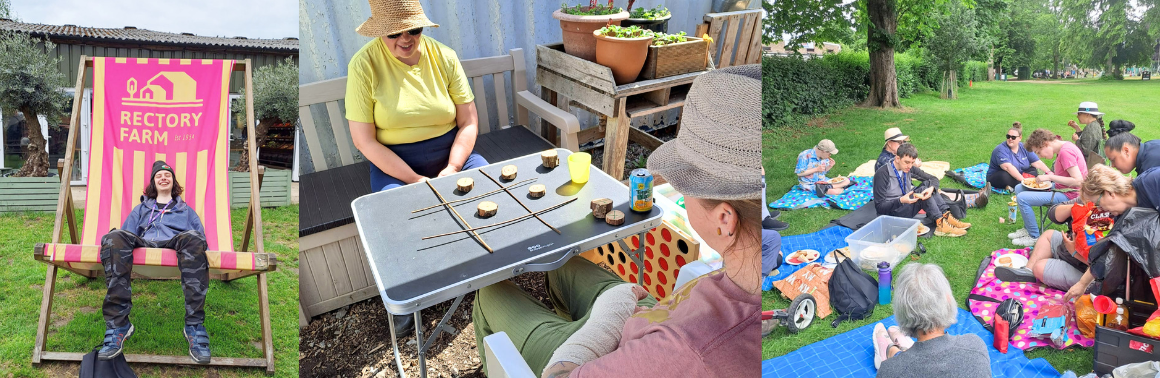
Know the Signs of Heat Exhaustion
People with learning disabilities or dementia may not always be able to communicate that they are feeling unwell, so it is important to recognise the signs of heat exhaustion. Look out for: headaches, dizziness, excessive sweating, unusual tiredness or weakness, nausea and muscle cramps.
If someone develops these symptoms, move them to a cool place, encourage them to drink fluids and help them rest. Seek medical advice if symptoms do not improve.
Small Actions Make a Big Difference
During a heatwave, simple routines can help keep people safe. Regular reminders to drink fluids, take breaks from the sun and spend time in cooler environments can significantly reduce the risk of heat-related illness.
By understanding the challenges that hot weather can present, carers, family members and support workers can help vulnerable people stay safe, comfortable, and well throughout the summer months.
“By raising awareness of the risks and sharing practical advice, we can support individuals, families and carers to navigate heatwaves with confidence and care.“


 Previous Post
 Next Post